

 English
 中文简体
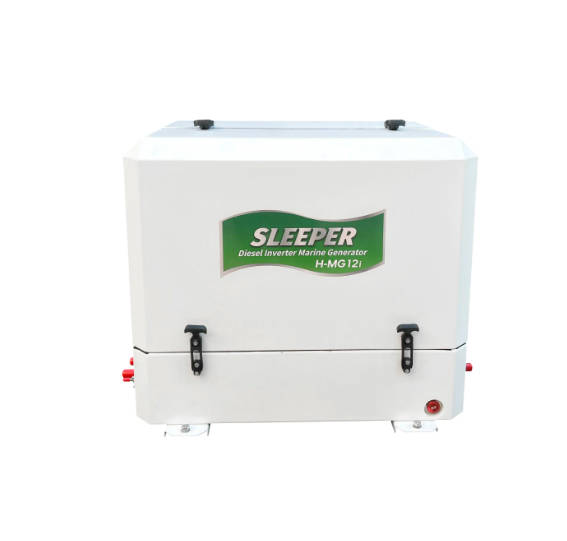
中文简体What’s special about the H-MG12i 10kW Marine Lightweight Diesel Generator in terms of fuel efficiency and operating noise?
Jul 23,2024
Jul 23,2024
The H-MG12i 10kW Marine Lightweight Diesel Generator adopts the latest combustion chamber design and sophisticated fuel injection system. These technologies not only improve the mixing quality of fuel and air, but also optimize the combustion process to ensure that every drop of fuel can be fully burned, significantly improving fuel efficiency. By reducing unburned fuel and emissions, this generator provides stable power while reducing operating costs and environmental impact.The generator has a built-in advanced intelligent control system that can monitor load changes in real time and automatically adjust fuel supply. This intelligent management not only avoids unnecessary fuel waste, but also maintains optimal fuel efficiency under different working conditions. In addition, the system can predict maintenance needs through data analysis and plan maintenance plans in advance, further extending the service life of the generator.The H-MG12i 10kW marine diesel engine was designed with the particularity of the marine environment in mind. By optimizing the engine structure and improving thermal and mechanical efficiency, this engine can achieve lower fuel consumption while ensuring strong power. Its efficient cooling system and lubrication system also ensure the engine's stability and reliability during long-term operation.In order to reduce operating noise, the H-MG12i 10kW Marine Lightweight Diesel Generator adopts multiple shock and noise reduction measures. A high-efficiency shock-absorbing pad is installed at the bottom of the generator to effectively absorb and isolate mechanical vibration; at the same time, key components inside the engine, such as the crankshaft and connecting rod, also adopt low-noise designs. In addition, the generator casing also uses sound insulation materials or a double-layer structure design to further isolate the spread of noise.The exhaust system is the main source of diesel generator noise. The H-MG12i 10kW Marine Lightweight Diesel Generator is equipped with an advanced exhaust system, including a high-efficiency muffler and optimized exhaust pipe layout. These designs not only reduce exhaust noise but also reduce the environmental impact of emissions.In order to meet the ship's demand for a quiet environment, the H-MG12i 10kW Marine Lightweight Diesel Generator pays special attention to low-noise operation during the design and manufacturing process. By precisely controlling the engine speed, optimizing the intake and exhaust systems, and using low-noise materials, this generator can maintain a low noise level during operation, providing a more comfortable working and living environment for the crew.The H-MG12i 10kW Marine Lightweight Diesel Generator excels in both fuel efficiency and operating noise. Its advanced combustion technology, intelligent fuel management system and efficient engine design ensure high fuel efficiency and low operating costs; while the comprehensive shock absorption and noise reduction design, optimized exhaust system and low-noise operation technology make this generator in Much quieter and more comfortable operation on board the vessel.
View more +
Jul 16,2024
The inverter technology of Vehicle Small Gasoline Powered Generators has brought about performance improvements in many aspects. The inverter technology can ensure that the generator outputs a pure sine wave current, which is similar to the AC waveform and can stably supply power to various electrical equipment, reducing equipment damage or performance degradation caused by waveform distortion. The inverter is equipped with a voltage regulator that can monitor the output voltage in real time and adjust it to ensure that the output voltage is stable within a suitable range to avoid damage to the equipment due to voltage fluctuations.Inverter technology efficiently converts the mechanical energy generated by gasoline generators into electrical energy, and the conversion efficiency is usually high, which can reduce energy waste and improve fuel economy. Some high-end Vehicle Small Gasoline Powered Generators use microcomputer chips to control the inverter, and realize automatic adjustment of current and voltage through precise algorithms to further improve energy utilization efficiency.The inverter has multiple built-in protection functions, such as overvoltage protection, undervoltage protection, overload protection, short-circuit protection, etc., which can quickly cut off the power supply under abnormal conditions to protect the generator and connected equipment from damage. Some inverters also have a fault self-recovery function, which can automatically resume work after troubleshooting, reduce manual intervention, and improve ease of use.Inverter technology enables the generator to adapt to loads of different powers and types, and both household appliances and industrial equipment can get a stable power supply. The design of the small gasoline generator on the vehicle itself focuses on portability, and the application of inverter technology further reduces the size and weight, making it easier for users to carry and move.Some generators are equipped with smart displays that can display output voltage, current, power and other parameters in real time, allowing users to understand the working status of the generator at any time. Inverter technology combined with advanced noise reduction design greatly reduces the noise generated by the generator during operation, improving the user experience.The inverter technology of the small gasoline generator on the vehicle has brought significant performance improvements in voltage and current stability, efficiency improvement, enhanced protection function, adaptability and portability, as well as intelligence and user experience. These improvements make the generator more suitable as an indoor and outdoor backup power solution to meet power needs in various scenarios.
View more +
Jul 09,2024
The excellent performance of this RV gasoline emergency inverter generator in terms of fuel consumption is due to its cutting-edge combustion technology. This technology achieves a more complete combustion process by precisely controlling the mixing ratio of fuel and air, thus greatly improving fuel utilization. At the same time, with an efficient energy conversion mechanism, the generator can convert more of the chemical energy of the fuel into electrical energy instead of being lost in the form of heat energy or exhaust gas, further reducing fuel consumption.The system can monitor the operating status and load conditions of the generator in real time, and automatically adjust the generator's output power and speed accordingly. Under light load or no-load conditions, the intelligent control system will respond quickly and automatically reduce the generator's speed or enter low-power standby mode, effectively avoiding unnecessary waste of energy. This intelligent control mechanism not only significantly reduces fuel consumption, but also extends the service life of the generator.The high-quality fuel system and engine components used in the generator are an important guarantee for its low fuel consumption characteristics. The efficient fuel injection system can accurately control the amount and timing of fuel injection to ensure that every drop of fuel can be fully utilized. The optimized combustion chamber structure further improves fuel combustion efficiency and reduces the emissions of unburned fuel. In addition, the precision machining of engine parts and the selection of high-quality materials also ensure the stability and reliability of the generator during long-term operation.From the beginning of the design, this RV gasoline emergency inverter generator fully considered environmental protection factors. The low fuel consumption design not only saves users costs, but also reduces environmental pollution. At the same time, the generator may also be equipped with an advanced exhaust gas purification system, which effectively removes harmful substances in the exhaust gas, such as particulate matter, nitrogen oxides, etc., through physical, chemical and other means, further reducing emission pollution. This green design concept not only conforms to the current global environmental protection trend, but also reflects the manufacturer's deep concern for user health and environmental protection.Although the specific fuel consumption data varies depending on factors such as product model, power and load conditions, we can reasonably speculate that under the same power and load conditions, this RV gasoline emergency inverter generator will show lower fuel consumption than similar products. Fuel consumption level. Taking a gasoline generator with similar power as an example, its fuel consumption may reach about 1 liter per hour under full load. With this generator's advanced technology and intelligent control system, the actual fuel consumption is expected to be significantly lower than this. level. Users will be able to save a lot of fuel costs during long-term use while reducing their impact on the environment.
View more +
Jul 01,2024
This gasoline emergency inverter generator is mainly for a variety of scenarios that require portable and reliable power supply. The following are several specific usage scenarios:Camping and outdoor activities: For enthusiasts who want to enjoy a higher quality of outdoor life, this generator can also drive a portable refrigerator to keep food and drinks fresh; at the same time, with a high-efficiency LED camping light or a portable solar charging light, the campsite at night is also full of light and warmth, improving the comfort and convenience of outdoor life.RV travel: RV travel is a unique way of living and traveling, and the demand for electricity is particularly urgent. This gasoline emergency inverter generator is designed for RVs and can easily cope with the power demand of various household appliances during the journey. Whether it is the need to turn on the car air conditioner to adjust the temperature in the car in the hot summer, or to keep the food in the refrigerator fresh during a long journey, or to enjoy the entertainment time brought by the TV and audio at night, the generator can provide stable power supply to ensure the normal operation of the internal facilities of the RV, so that the quality of life during the journey can be comprehensively improved. In addition, its low fuel consumption and convenient operation of one-button electric start + remote start make RV travel even more worry-free.Home emergency backup power supply: This gasoline emergency inverter generator has become the preferred choice for home emergency reserves with its fast response and stable power supply. In an emergency, it can start quickly to provide continuous and stable power support for the family, ensuring the satisfaction of basic living needs such as lighting, communication, and refrigeration. At the same time, it can be carried to other locations for use when necessary, bringing safety and peace of mind to more families.Field operations and construction sites: In field operations and construction sites, the reliability of power supply is directly related to work efficiency and personnel safety. This generator has become an indispensable source of power for field operations and construction sites with its powerful output power and convenient portability. Whether it is providing power support for power tools, lighting equipment, or ensuring the normal operation of communication equipment, this generator can easily cope with it. Its efficient inverter technology and low noise design reduce the impact on the working environment and improve the comfort and work efficiency of operators.Temporary power demand: When holding large-scale temporary events such as outdoor weddings, music festivals, and exhibitions, sufficient and stable power supply is essential. This gasoline emergency inverter generator, with its flexible deployment and rapid response, is an ideal choice for meeting temporary power needs. Whether it is providing strong power for audio equipment, ensuring sufficient brightness of lighting equipment, or providing stable power support for display equipment, this generator can easily do the job. Its efficient energy utilization and environmental protection characteristics are in line with the pursuit of green and low-carbon in modern activities.Agriculture and animal husbandry: In the fields of agriculture and animal husbandry, electricity is an important driving force for modern production. This gasoline emergency inverter generator has become an indispensable source of electricity for farms and ranches with its wide range of applications and reliable power output capacity. Whether it is providing power support for farm equipment such as irrigation systems and feed processors, or powering ventilation systems and insulation equipment in livestock farms to ensure animal welfare and production efficiency, this generator can play an important role. Its durable design and easy maintenance characteristics reduce the power cost and maintenance difficulty in agricultural and animal husbandry production.In summary, this gasoline emergency inverter generator has a wide range of application value in a variety of scenarios requiring temporary or emergency power supply due to its portability, reliability and efficient power output capacity.
View more +
Jun 24,2024
Whether marine generators can maintain stable operation under severe weather or high load conditions depends mainly on their design, construction and maintenance. The following is a specific description of how marine generators can maintain stable operation under severe weather or high load conditions:Electrical system protection: Marine generators face very harsh environmental conditions, especially when sailing at sea, they may encounter severe weather such as heavy rain, waves, and salt spray. In order to ensure the normal operation of the electrical system and extend its service life, marine generators usually adopt a series of waterproof and dustproof measures. First of all, electrical components and junction boxes will adopt waterproof and dustproof designs and materials. These components and junction boxes are usually enclosed in sealed housings to prevent the intrusion of moisture and dust. At the same time, these housings also have waterproof sealing strips and waterproof interfaces to ensure that the electrical system can still work normally under severe weather conditions. In addition, the electrical system of the marine generator will also be equipped with safety devices such as overload protection and short-circuit protection. These devices can monitor the operating status of the electrical system and cut off the power supply in time when an abnormal situation occurs to avoid damage to the electrical system.Mechanical component protection: In addition to the electrical system, the mechanical components of the marine generator also need to be properly protected. In severe weather such as sandstorms, sand and dust may damage the mechanical parts of the generator, thus affecting its normal operation. In order to avoid the damage of sand and dust to the generator, equipment such as dust covers can be used to protect the generator. Dust covers are usually made of wear-resistant and corrosion-resistant materials, which can effectively block the entry of sand and dust. At the same time, dust covers are also easy to install and disassemble, which is convenient for users to perform daily maintenance and cleaning. In addition to dust covers, other measures can be taken to protect the mechanical parts of the generator. For example, regularly clean the radiator, fan and other parts of the generator to ensure that they are well ventilated; use high-quality lubricants and filters to reduce the wear and failure rate of mechanical parts; and strengthen daily inspection and maintenance of the generator to promptly detect and solve potential problems.Cooling system: Under high load conditions, the generator may generate a lot of heat. In order to ensure the stable operation of the generator, an efficient cooling system is required. This includes regularly cleaning dust and debris on the surface of the radiator to keep the radiator well ventilated; checking whether the fan blades are intact and replacing them in time if damaged; and using high-quality coolant to improve the heat dissipation effect.Fuel system stability: Selecting high-quality fuel and regularly replacing the fuel filter can prevent impurities in the fuel from damaging the system. In addition, strengthening the inspection and maintenance of the fuel system, timely discovering and solving potential problems, can also improve the stability of the fuel system and ensure the stable operation of the generator under high load conditions.Avoid high-load parking: Sudden parking under high load may have negative effects on the generator, such as high temperature, mechanical wear and voltage problems. Therefore, before parking, the load should be reduced in advance to reduce the amount of internal heat generated, thereby avoiding the problems caused by high-load parking.In summary, whether the marine generator can maintain stable operation under bad weather or high load conditions depends on its design, construction and maintenance. By strengthening the protection of electrical systems and mechanical components, optimizing the cooling system and fuel system, and avoiding high-load parking, it is possible to ensure that the marine generator can maintain stable operation under bad weather or high load conditions.
View more +
Jun 18,2024
The way this marine generator uses frequency conversion technology to save fuel mainly relies on the following key points:Frequency conversion speed regulation technology: The frequency conversion technology adopted by marine generators is an advanced power control technology. It does not require any changes to the mechanical structure of the generator itself. It can achieve detailed adjustment of the output power by simply precisely controlling the frequency of the power supply. Such a design is not only flexible but also efficient. No matter how the load demand of the ship changes, the generator can respond quickly and accurately, and automatically adjust its output power to meet the real-time energy demand. This intelligent adjustment mechanism fundamentally avoids excessive consumption and waste of energy, making the operation of the generator more economical and environmentally friendly.Efficient conversion: Since the output power can be automatically adjusted according to the load conditions, this generator can maintain efficient operation under various load conditions. Especially when the ship load is light, the generator can intelligently reduce the output power, thereby greatly reducing unnecessary fuel consumption. On the contrary, when the load increases, the generator can quickly increase the output power to ensure the normal operation of various equipment on the ship. This flexible and efficient conversion mechanism is of great significance for reducing operating costs and improving energy efficiency.Real-time monitoring and adjustment: The fully digital control system equipped with the variable frequency generator is the key to its intelligent operation. This system can monitor any subtle changes in the power load in real time and make corresponding adjustments quickly. Whether the load increases or decreases suddenly, the system can respond in the first time, and ensure that the output voltage always remains stable by accurately adjusting the output frequency and voltage. This real-time monitoring and adjustment function not only greatly improves the operating stability and reliability of the generator, but also effectively reduces the energy loss caused by load fluctuations.Energy saving effect: According to reliable data statistics, this marine generator using variable frequency technology can save up to 30% of fuel consumption. Especially for ships that need to run for a long time, its economic benefits are even more obvious. By significantly reducing fuel costs, this generator not only brings tangible benefits to ship owners, but also makes positive contributions to promoting the green and sustainable development of the entire shipping industry.In summary, this marine generator uses variable frequency technology to achieve efficient conversion and real-time monitoring and adjustment under different loads, thereby significantly saving fuel costs. The application of this technology not only improves the energy utilization rate of the generator, but also makes important contributions to energy conservation and emission reduction of ships.
View more +
Jun 11,2024
The main features of small diesel engine generators can be summarized as follows:Small size and easy installation: Small diesel engine generators are designed and manufactured with full consideration of portability and space efficiency. Compared with traditional large generators, it is more compact and occupies a small area, and can easily adapt to various occasions with large space and site restrictions. Whether in a small construction site, a crowded parking lot, or in the application of home backup power, small diesel engine generators can be easily installed and arranged, saving users a lot of space and time.High efficiency and energy saving: Small diesel engine generators perform well in fuel utilization and energy consumption control. It uses advanced combustion technology and efficient generator design, so that the fuel can be burned more fully and converted into electrical energy. This efficient design makes the fuel consumption rate curve of small diesel engine generators change more smoothly when the working conditions change, and it can maintain an economical operating state even under low load. This high efficiency and energy saving feature saves users a lot of fuel costs and reduces operating costs.Stable operation: Small diesel engine generators perform well in stability and reliability. It uses high-quality materials and manufacturing processes, and has good high temperature resistance, vibration resistance and wear resistance. These features enable the generator to operate stably for a long time in various harsh environments, reducing failures and downtime. Whether it is a harsh environment such as high temperature, low temperature, humidity or dust, the small diesel engine generator can maintain a good working condition to ensure that the user's power needs are met.Environmental protection and low noise: The small diesel engine generator has also made important contributions to environmental protection and noise control. It adopts low-emission technology to reduce pollution to the environment. At the same time, the low-noise design makes the noise generated by the generator during operation low, and will not interfere with the user's life and work. This environmental protection and low-noise feature has enabled small diesel engine generators to be used in more and more occasions, such as residential areas, hospitals and other noise-sensitive places.Simple maintenance: The small diesel engine generator fully considers the convenience of maintenance in design and manufacturing. Its design and manufacturing are simple, and the maintenance operation is simple, allowing users to easily perform daily maintenance and troubleshooting. At the same time, its compact structure makes it easy to repair and replace parts, reducing maintenance costs and downtime. This simple maintenance feature provides users with a more convenient and economical solution.Safe and reliable: The small diesel engine generator performs well in safety and reliability. It has the characteristics of good fire safety, reducing the risk of safety accidents such as fire. At the same time, its compact structure and stable operation make the generator more reliable during operation. These safety and reliability features allow users to use small diesel engine generators with confidence to ensure the continuity and stability of their power supply.In summary, small diesel engine generators have broad application prospects in the field of power supply due to their small size, high efficiency and energy saving, stable operation, environmental protection and low noise, simple maintenance, safety and reliability.
View more +
Jun 03,2024
Worry-free maintenance and reduced downtime of marine generators have a series of practical benefits for users, which are specifically manifested in the following aspects:Improved safety: During the navigation of the ship, the stability of the power supply ensures the safety of the ship. Especially in ocean voyages, when the ship is far away from land support, the reliability of the power supply is even more important. Reducing the downtime of the generator, the ship can obtain continuous and stable power supply, which is essential for the normal operation of the navigation system, the unimpeded communication equipment and the effective monitoring of the safety system. In an emergency, a stable power supply can also ensure that the ship can respond quickly and take necessary measures to ensure the safety of personnel and cargo. Therefore, worry-free maintenance and reduced downtime can greatly improve the safety of the ship and reduce potential safety risks.Enhance the continuity of navigation: Many equipment on the ship rely on electricity to drive, such as refrigeration equipment, water pumps, lighting systems, etc. The normal operation of these equipment is important for the continuity of the ship's navigation. If the generator stops frequently, these equipment will not work properly, thus affecting the normal operation of the ship and the smooth completion of the mission. Worry-free maintenance and reduced downtime can ensure the stable operation of the generator and reduce the possibility of equipment interruption. This will enable ships to perform various tasks more smoothly, such as cargo transportation, offshore operations, etc., thereby enhancing navigation continuity and improving the efficiency and reliability of ships.Reduce operating costs: Downtime will not only affect the ship's sailing plan, but may also result in additional repair and manpower costs. If the generator is frequently down, the ship will require more time and resources for repair and maintenance, which will increase the ship's operating costs. In addition, downtime may also cause ship delays or failure to complete tasks on time, further increasing costs. Worry-free maintenance and reduced downtime can greatly reduce these unnecessary costs. By reducing downtime, ships can operate more efficiently and reduce the need for repairs and maintenance, thereby reducing operating costs. In addition, reducing downtime can also ensure that ships complete tasks on time and avoid additional costs caused by delays. This will make ship operations more economical and efficient and improve the economic benefits of ships.Improve user satisfaction: For ship operators, worry-free power supply and reduced downtime can improve the overall performance and reliability of the ship, thereby enhancing user satisfaction and trust.Enhance environmental friendliness: Reduced downtime allows ships to use energy more efficiently, reduce unnecessary energy consumption and emissions, thereby reducing negative impacts on the environment and enhancing environmental friendliness.Enhance ship value: A reliable and efficient marine generator system is an important part of the value of a ship. Worry-free maintenance and reduced downtime can enhance the overall value of the ship and make it more competitive in the market.In summary, worry-free maintenance and reduced downtime of marine generators have many practical benefits for users, which can significantly improve the safety, navigation continuity, economic benefits and user satisfaction of ships, while reducing operating costs and environmental impact.
View more +
May 27,2024
Here is a more detailed description of whether energy-saving marine generators can support all comfort equipment on board, including high-power equipment:This energy-saving marine generator, with its cutting-edge power technology and innovative design, is not only an efficient energy supply equipment, but also a solid backing for comfortable life on board. Its excellent power output and stable voltage performance ensure the normal operation of various equipment on board, including those high-power equipment with extremely high power requirements.First, it adopts advanced electronic PMG inverter output technology. This technology enables efficient utilization and output of electrical energy by precisely controlling the conversion and distribution of current. Compared with traditional generators, it not only provides higher power output, but also ensures that the output power quality is more stable and pure. Driven by energy-saving marine generators, various equipment on the ship can receive optimal power support to maintain optimal operating conditions. In addition to its excellent power output, this energy-saving marine generator also offers excellent environmental performance. It adopts advanced energy-saving technology to achieve lower fuel consumption and less exhaust emissions by optimizing energy conversion efficiency and reducing energy waste. This not only reduces the operating cost of the ship, but also meets the current social requirements for environmental protection and sustainable development. Additionally, this generator comes with a host of smart features. It is equipped with local and remote digital display control panels that can monitor the operating status and power output of the generator in real time. When the generator fails or an abnormal situation occurs, it can automatically cut off the power supply or take other protective measures to ensure the safety of the equipment and crew. At the same time, it also supports parallel technology and can be used in parallel with other generators to achieve greater power output and higher energy efficiency.Secondly, for high-power equipment, this generator also shows strong support capabilities. During the operation of the ship, you may encounter various scenarios that require the support of high-power equipment, such as high-power water pumps, electric anchor windlass, etc. These devices create huge power demands when starting up and running, but this energy-saving marine generator easily handles these challenges with its efficient and stable performance. Even under high load conditions, the generator can maintain stable power output, ensuring the normal operation of high-power equipment, thus ensuring the safe and efficient operation of the ship.It is worth mentioning that the pure sine wave output function of this generator is particularly important for the protection of sensitive electronic equipment. On ships, many high-power devices are precision electronic devices, which have extremely high requirements for power quality. Pure sine wave output can ensure that these devices operate in a stable and reliable power environment, avoiding equipment damage or performance degradation caused by power fluctuations. This feature makes this energy-saving marine generator an ideal power source for high-power equipment on ships.In addition, this generator also has intelligent control and management functions. Through local and remote digital display control panels, crew members can easily monitor the operating status, power output and various parameters of the generator. At the same time, the generator also has a highly intelligent multi-functional protection mechanism that can automatically cut off the power supply or take other protective measures when abnormal conditions occur to ensure the safety of the equipment and crew.To sum up, this energy-saving marine generator can fully support all comfort equipment on board, including high-power equipment, with its excellent power output, stable voltage performance and intelligent control and management functions. Whether it is daily household appliances or critical high-power equipment, this generator can provide reliable power guarantee and provide solid support for the comfortable life and efficient operation of the ship.
View more +
May 17,2024
Power Supply: The Marine Inverter Diesel Generators converts the chemical energy in diesel fuel into mechanical energy through an efficient diesel engine, and then converts the mechanical energy into electrical energy through a generator. This way, the daily power demand of the ship is met, whether it is for basic lighting systems, crucial navigation and communication equipment, or even complex refrigeration systems and small electrical appliances. They all rely on the stable power provided by the Marine Inverter Diesel Generators to maintain normal operation. In terms of power supply, the Marine Inverter Diesel Generators also has redundant design to ensure that in case of a failure of the main power supply, the standby generator set can quickly start and take over the power supply task, ensuring uninterrupted power supply for the ship.Propulsion: Although the Marine Inverter Diesel Generators is not the main propulsion system of the ship, it plays a crucial role in specific situations. When the main propulsion system of the ship (such as the main engine) fails or requires auxiliary propulsion, the Marine Inverter Diesel Generators can provide the necessary power to drive the propulsion system (such as propellers or waterjet thrusters) to continue working, ensuring the safe navigation of the ship.Emergency Power Supply: In the event of an emergency or failure of the main power supply on the ship, the Marine Inverter Diesel Generators plays the role of an emergency power source. It can quickly start and take over the power supply task, providing necessary power support for the ship's communication, navigation, and life-saving equipment. These devices are crucial in emergency situations, helping the ship send distress signals, determine its position, and even provide necessary survival support for the crew.Navigation Economy: The high efficiency and economy of Marine Inverter Diesel Generatorss are significant advantages for maritime transportation. These generator sets adopt advanced combustion technology and efficient energy conversion mechanisms, providing stable and reliable power during long-distance voyages while maintaining low fuel consumption. This not only reduces the operating costs of ships but also helps reduce environmental pollution and carbon emissions, achieving green shipping.Flexibility and Controllability: Marine Inverter Diesel Generatorss possess excellent flexibility and controllability. They can flexibly adjust according to the ship's power demand, adapting to different load conditions. Through a precise control system, operators can monitor and adjust the operating status and power output of the generator set in real-time, ensuring the safe and comfortable navigation of the ship.In addition, Marine Inverter Diesel Generatorss also have various protection functions, such as overload protection, short-circuit protection, and overheat protection. These functions can automatically cut off the power supply and issue an alarm signal when the generator set malfunctions, preventing further damage to the ship. These features further enhance the reliability and safety of the Marine Inverter Diesel Generators.
View more +
May 10,2024
In harsh marine environments, marine generators face multiple challenges such as high humidity, salt fog, extreme temperature variations, as well as potential vibrations and impacts. To ensure their long-term stable operation, marine generators employ a variety of measures in their design and manufacturing processes:The use of anti-corrosion materials: In marine environments, high humidity and salt fog are the two main factors causing equipment corrosion. Therefore, manufacturers of marine generators typically choose stainless steel or specially treated alloys to fabricate these critical components. Stainless steel is widely used due to its excellent corrosion resistance, especially in salty environments. Meanwhile, specially treated alloys may include the addition of anti-corrosion elements or coatings to enhance their resistance to corrosion.Sealed design: The sealed design of marine generators is crucial for their stable operation in marine environments. Due to the high humidity and salinity in marine environments, even the smallest gaps can allow the infiltration of moisture, salt, or other pollutants, potentially damaging the generator's internal components. Therefore, the key components and electrical systems of generators undergo strict sealing treatment. This typically involves the use of high-quality seals and sealants to ensure that all joints and openings are completely closed. Additionally, advanced sealing technologies such as labyrinth seals or dynamic seals may be employed to provide additional protection.Waterproof and dustproof design: The intake and exhaust ports, as well as ventilation openings of marine generators, are potential weaknesses as they need to be connected to the external environment for normal airflow. To prevent moisture and dust from entering the generator's interior, waterproof and dustproof filters are typically installed. These filters are made of special materials, such as hydrophobic and dustproof meshes or membranes, which can effectively block external moisture and dust while ensuring sufficient airflow to prevent generator overheating. In addition to filters, some marine generators may adopt special drainage designs, such as drainage channels or holes, to ensure that any infiltrating moisture can be quickly drained, preventing damage to the internal electrical system.Wide temperature operating range: Marine generators can operate normally within a wide temperature range. Through careful design and optimization of the cooling system, generators can effectively dissipate heat in high-temperature environments. These cooling systems may include efficient cooling fans, heat exchangers, and optimized cooling water channel designs. Simultaneously, marine generators utilize high-temperature-resistant electrical components and insulating materials that maintain stable electrical performance at high temperatures, ensuring reliable power output. Additionally, marine generators must also consider operation in low-temperature environments. In cold weather, the startup and operation of generators may be challenged. Therefore, marine generators are typically equipped with preheating systems or low-temperature startup assistance devices to ensure smooth startup and operation in low-temperature environments.Shock and vibration resistance design: The structure of generators utilizes sturdy and durable materials such as high-strength steel or alloys to ensure they can withstand various vibrations and impacts generated during ship navigation. At the same time, internal components are also reinforced to minimize loosening and damage due to vibrations and impacts. Moreover, the design of the mounting base is also crucial. It must securely fix the generator to prevent displacement due to vibrations while buffering and absorbing shocks and impacts during ship navigation. This design significantly reduces internal stress on the generator, extending its service life.Regular maintenance and inspections: To ensure the long-term stable operation of marine generators, regular maintenance and inspections are necessary. This includes cleaning, tightening, replacing worn parts, checking electrical connections and insulation, etc. Timely maintenance and inspections can promptly identify and resolve issues, preventing failures.
View more +
May 03,2024
The stability and reliability of vehicle generators are ensured through multiple measures.Selection of high-quality components: Vehicle generators use engines from world-famous brands, such as diesel engines such as Yanmar and Kubota, and gasoline engines such as Yamaha. Known for their exceptional durability, high efficiency, and low failure rates, these brands provide a solid foundation for generators. In addition to the engine, the generator also uses high-quality electrical components, control systems and mechanical parts to ensure that the generator can operate stably and reliably in various environments.Unique Inverter Technology: The inverter is a key component in the generator and is responsible for converting DC power into AC power. We use unique inverter technology to precisely control output voltage and frequency, reducing voltage fluctuations and distortion, thereby providing stable, high-quality power output. The inverter also has overload protection and short-circuit protection functions, which can automatically cut off the power supply under abnormal circumstances to protect the generator and electrical equipment from damage.Strict production and quality control: During the production process, we follow strict production processes and quality management systems to ensure that every production link meets standards and requirements. Raw materials and components are strictly screened and inspected to ensure they meet quality requirements. At the same time, key processes in the production process are monitored and tested to ensure the consistency and stability of product quality.Regular maintenance and inspection: In order to ensure the long-term stable operation of the generator, we provide regular maintenance and inspection services. This includes replacing wearing parts such as air filters, fuel filters, and engine oil, and inspecting the electrical and mechanical parts of the generator, transmission components, water cooling devices, etc. During the maintenance and inspection process, we have professional maintenance personnel and use professional testing equipment and tools to ensure that the generator is comprehensively inspected and repaired.Optimized operating environment: The operating environment of the generator has an important impact on its stability and reliability. We provide installation guidance to ensure that the generator is installed in an environment with good ventilation and a suitable temperature, avoiding adverse factors such as direct sunlight and moisture. At the same time, we also provide cooling solutions, such as installing fans or ventilation ducts, to improve the heat dissipation capacity of the generator and ensure that it can operate stably in high temperature environments.Reasonable load configuration: When using a generator, whether the load configuration is reasonable has an important impact on the stability and reliability of the generator. We provide load configuration suggestions to help users configure loads reasonably according to the actual needs of electrical equipment. Avoid overloading or light-load operation. Overloading may cause problems such as generator overheating and voltage fluctuation, while light-loading may affect the operating efficiency of the generator.Automatic voltage regulator and protection functions: Vehicle generators are usually equipped with automatic voltage regulators (AVR), which can automatically adjust the output voltage to maintain voltage stability. AVR's precise control enables the generator to provide stable power output under various load conditions. In addition to AVR, the generator also has a variety of protection functions, such as overload protection, short circuit protection, overheating protection, etc. These protection functions can automatically cut off the power supply under abnormal conditions to protect the generator and electrical equipment from damage.Continuous technical support and after-sales service: We provide comprehensive technical support and after-sales service to ensure that users receive timely help and support during use. If a generator malfunctions or issues arise, we provide rapid repair and replacement services to ensure users can get back into service as quickly as possible.To sum up, the stability and reliability of vehicle generators are achieved by selecting high-quality components, using unique technology, strict production and quality control, regular maintenance and inspections, optimizing the operating environment, rationally configuring loads, automatic voltage regulators and protection Functions as well as continuous technical support and after-sales service are jointly guaranteed by various measures. These measures make our vehicle generators have excellent stability and reliability, and can meet the needs of users in various environments and applications.
View more +
No.5 Hengpeng Road, Henghe Town, Cixi, Zhejiang, China, 315318
+86-13857499911
+86-574-63265576
vincent@sleeper-generator.com


Copyright © Cixi Sleeper Generator Co.,Ltd. All rights reserved.
 Wholesale Commercial Mobile Generators Manufactures