

 English
 中文简体
中文简体What’s special about the H-MG12i 10kW Marine Lightweight Diesel Generator in terms of fuel efficiency and operating noise?
Jul 23,2024

Apr 26,2024
Regular maintenance and inspection: The working environment of marine diesel generators is complex and changeable, and long-term operation at sea is prone to erosion by seawater, salt, moisture and vibration. Therefore, regular maintenance and inspections are crucial. This includes, but is not limited to, a comprehensive inspection of the fuel system to ensure smooth oil supply and no leakage; an inspection of the cooling system to maintain a suitable operating temperature; maintenance of the lubrication system to ensure clean and sufficient lubricating oil; and Careful inspection of electrical connections to prevent failures due to corrosion or looseness. Through these regular inspections and maintenance, potential problems can be discovered and solved in time to ensure the stable operation of the generator.Noise and vibration monitoring: This marine diesel generator is known for its low noise characteristics, so special attention needs to be paid to noise and vibration monitoring during use. Regularly conduct noise and vibration tests on generators using professional equipment and compare them with data within the normal range. If you find that the noise or vibration level is abnormally high, you should stop the machine immediately for troubleshooting, find out the root cause of the problem, and make repairs. This not only ensures that the quiet performance of the generator is maintained, but also detects potential faults in time to prevent larger problems from occurring.Selection of fuel and lubricating oil: The selection of fuel and lubricating oil has an important impact on the performance and life of the generator. It is recommended to use fuel that meets the specifications to ensure the cleanliness and stability of the fuel to reduce the risk of carbon deposits and corrosion. At the same time, choosing high-quality lubricating oil can provide better lubrication and anti-wear properties and extend the service life of the generator. In addition, the lubricating oil should be changed regularly and the lubrication system should be cleaned to prevent sludge and impurities from causing damage to the generator and ensure that the generator operates at its best.Cooling System Maintenance: The cooling system is critical to keeping your generator running properly. The marine environment is usually humid, which can easily lead to contamination or deterioration of the coolant. Therefore, the level and quality of the coolant need to be checked regularly, and the coolant needs to be replenished or replaced in a timely manner. At the same time, check the operating status of the cooling fan and radiator to ensure that they dissipate heat properly to prevent the generator from overheating. In addition, regularly clean the dirt and debris on the radiator to improve heat dissipation efficiency and ensure that the generator can operate stably in high temperature environments.Maintenance of the electrical system: The electrical system is an important part of the generator and requires regular inspection and maintenance. First, check whether the electrical connections of the generator are secure and whether they are loose or corroded. If found, the connections should be tightened or replaced in time. Secondly, check the condition of the cables and insulation materials. If they are damaged or aged, they should be replaced in time to prevent the occurrence of electrical faults. In addition, insulation testing of generators is performed regularly to ensure the safety and reliability of the electrical system.Operating regulations and safety: When using the generator, operating regulations must be followed to ensure correct and safe operation. Avoid overload operation or sudden shutdown to reduce impact and damage to the generator. At the same time, ensure a safe environment around the generator, keep away from flammable and explosive items, and equip it with necessary fire-fighting equipment. During operation, pay attention to the operating status and indication information of the generator, and detect and handle abnormal situations in a timely manner.Recording and Maintenance Log: In order to better manage and maintain the generator, it is recommended to establish a maintenance log. Every time maintenance and inspection are performed, record the detailed conditions and problems found, including the inspection date, inspection content, problems found and handling measures, etc. This helps to detect and solve potential problems in a timely manner and provides a reference for future maintenance. At the same time, maintenance logs are also an important basis for evaluating the operating status and performance of generators, helping to formulate more reasonable maintenance plans and strategies.In summary, for this quietest marine diesel generator, it is very important to perform regular maintenance and inspections, monitor noise and vibration, select appropriate fuel and lubricants, maintain the cooling system, electrical system, and follow operating regulations and safety of. By establishing a maintenance log, the operating status and maintenance records of the generator can be better managed to ensure its stable and efficient operation in the marine environment.
View more +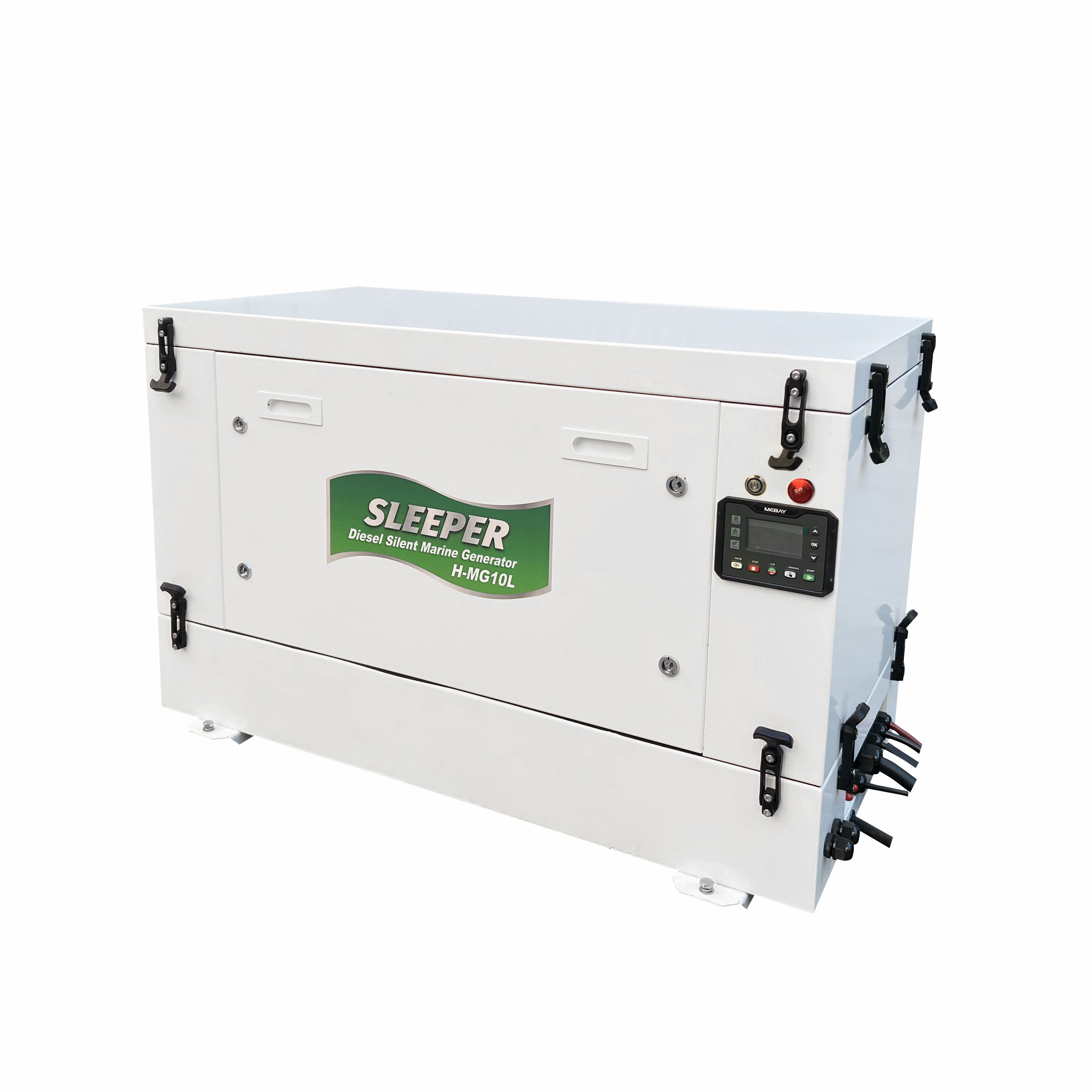
Apr 17,2024
In order to reduce the noise propagation of Vehicle Generators, a variety of sound insulation materials can be used to achieve effective noise reduction. The following are several common sound insulation materials and their characteristics and application methods:The first is the sound insulation wallboard. This is a building material specially used for sound insulation, usually made of high-density materials and filled with sound insulation materials. The sound insulation wallboard can effectively absorb and isolate the noise generated by the generator and reduce the propagation range of the noise. During installation, the sound insulation wallboard can be fixed to the wall around the generator to form a sound insulation barrier to improve the overall sound insulation effect. Secondly, sound insulation cotton is also a commonly used sound insulation material. It is similar to sponge-like materials, with a fluffy texture and good sound insulation performance. When using sound insulation cotton, it can be attached to the shell or wall of the generator to reduce the conduction and reflection of noise. Sound insulation cotton not only has good sound insulation effect, but also has the characteristics of environmental protection, warmth retention and fire resistance, and is an ideal sound insulation material. In addition, sound insulation felt is also an effective sound insulation material. It is similar to a roll material, the main component is rubber, and it has a certain flexibility. Sound insulation felt is easy to lay and can be laid directly at the bottom or around the generator to effectively absorb noise and reduce the spread of noise. However, it should be noted that there are some low-quality sound insulation felts on the market, which may have poor sound insulation effect and are easy to break, so when choosing sound insulation felt, you should choose products with reliable quality. Finally, sealing materials and sound insulation sleeves can also be used to reduce the noise transmission of Vehicle Generators. Sealing materials can be used to fill the gaps between the generator and the wall and the ground to reduce the leakage of sound through these gaps. Sound insulation sleeves can be used to wrap the intake and exhaust ducts of the generator to reduce the noise generated by the airflow in the ducts. Therefore, sound insulation wall panels, sound insulation cotton, sound insulation felt, as well as sealing materials and sound insulation sleeves are all sound insulation materials that can be used to reduce the noise transmission of Vehicle Generators. When selecting and using these materials, they need to be reasonably matched and installed according to actual conditions and needs to achieve the best sound insulation effect.
View more +
Apr 12,2024
Military Generators' rapid repair and troubleshooting capabilities are achieved through comprehensive design and consideration in multiple aspects. The following is a detailed description of how to implement this capability:Modular design: Military generators often adopt a modular design, splitting the generator into several independent modules or components. Each module has a specific function and can be replaced or repaired individually. This design allows operators to quickly locate the problem when a fault occurs and replace or repair only the faulty module without disassembling the entire generator, thus greatly shortening maintenance time.Easily Accessible and Maintenance Structure: Military generators are designed with ease of access and maintenance in mind. For example, critical components and service points are often located within easy reach and have sufficient space for operators to access them. In addition, the generator is equipped with easy-to-open access doors and service hatches so operators can quickly inspect and maintain internal components.Intelligent fault diagnosis system: Modern military generators are usually equipped with intelligent fault diagnosis systems. These systems can monitor the operating status of generators in real time and detect potential failures through sensors and data analysis technology. Once a fault occurs, the system can quickly identify and display the fault type and location, providing operators with accurate fault information. This helps operators quickly locate problems and take appropriate repair measures.Quick replacement parts and spare parts stocks: Military generators often use standardized and common parts that are easy to replace and have adequate spare parts stocks. In an emergency, operators can quickly replace faulty parts and restore normal operation of the generator. In addition, military operations usually have corresponding spare parts supply systems to ensure that the required spare parts can be obtained in a timely manner when needed.Training and training: The ability to quickly repair and troubleshoot military generators also relies on the expertise and experience of the operators. Therefore, operators need to receive special training and training and be familiar with the structure, working principle, maintenance procedures and troubleshooting methods of the generator. Through training, operators can improve the efficiency and accuracy of repairs and troubleshooting.Therefore, the rapid repair and troubleshooting capabilities of military generators are comprehensively designed and considered through modular design, easy-to-access and maintenance structures, intelligent fault diagnosis systems, quick replacement parts and spare parts reserves, and training and training. to achieve. These measures enable military generators to quickly resume operation in the event of failure and ensure the smooth conduct of military operations.
View more +
Apr 05,2024
Properly adjusting the fuel supply of Marine Diesel Generator is one of the key steps to improve combustion efficiency. Here are some suggestions to help you achieve this goal:1. Fuel injection pressure adjustment:According to the design requirements of the diesel engine and the manufacturer's recommendations, adjust the fuel injection pressure to the appropriate range. Too high an injection pressure may lead to poor fuel atomization, while too low an injection pressure may lead to insufficient fuel injection.Use professional testing tools, such as a fuel injection pressure gauge, to accurately measure and adjust injection pressure.2. Fuel injection time optimization:According to the operating conditions and load changes of the diesel engine, the advance or retard angle of fuel injection is adjusted to ensure that fuel is injected into the combustion chamber at the optimal moment.Optimization of fuel injection time is achieved by adjusting the parameters of the fuel injection pump or electronic control unit (ECU).3. Fuel quantity control:According to the power demand and load changes of the diesel engine, the fuel supply is adjusted to ensure that the engine runs at the optimal fuel consumption rate.Use a fuel metering device or ECU to control the fuel supply to ensure accurate fuel distribution.4. Fuel quality selection:Choose fuel quality that meets the requirements of the diesel engine to ensure the cleanliness and stability of the fuel.Avoid using low-quality fuel to avoid damage to the engine and reduced combustion efficiency.5. Fuel system cleaning and maintenance:Clean and maintain the fuel system regularly to remove impurities and carbon deposits in the fuel system.Replace aging fuel filters to ensure the purity of your fuel supply.6. Engine status monitoring:Use the engine monitoring system to monitor parameters such as fuel consumption rate and exhaust temperature in real time to detect and solve potential combustion problems in a timely manner.Adjust fuel supply parameters based on monitoring data to optimize the combustion process.7.Technical support and training:Seek support from the manufacturer or a professional technician for fuel supply adjustment recommendations for your specific diesel engine.Provide training to operation and maintenance personnel to improve their skills and awareness to ensure the accuracy and effectiveness of fuel supply adjustments.By comprehensively implementing the above measures, you can reasonably adjust the fuel supply of Marine Diesel Generator, improve combustion efficiency, reduce fuel consumption, and reduce the production of harmful emissions. This will help improve the overall performance and economics of the generator.
View more +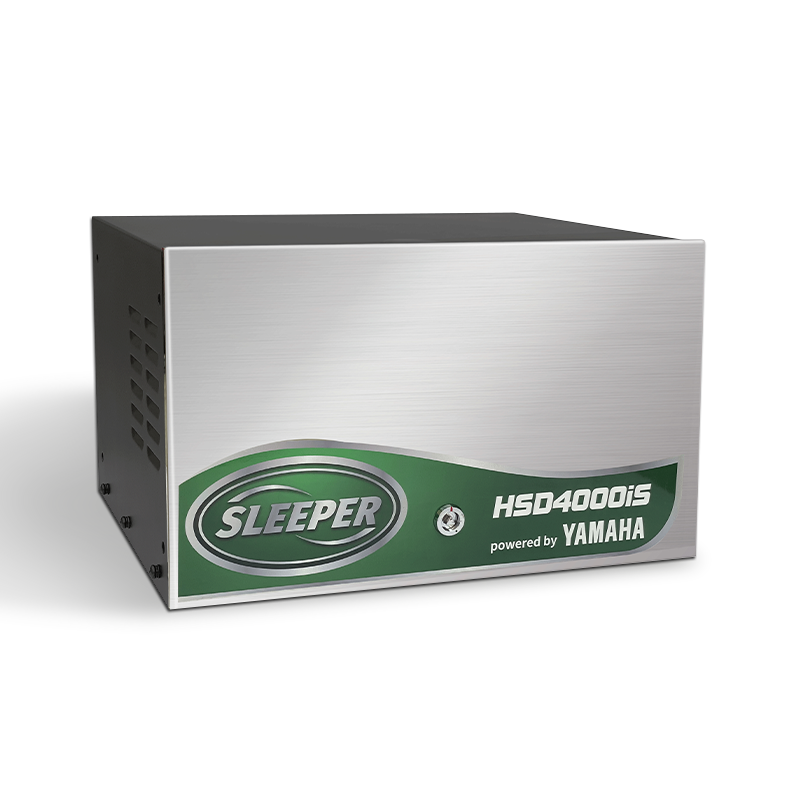
Mar 29,2024
The noise level performance of Vehicle Inverter Gasoline Generators compared to traditional generators has always been one of the focuses of attention. Noise level directly affects the comfort and environmental friendliness of the vehicle, so it is particularly important for vehicle generators. When comparing the noise levels of Vehicle Inverter Gasoline Generators and traditional generators, a variety of factors need to be considered, including the design of the internal combustion engine, the structure of the generator, operating modes, and environmental conditions. Here’s a closer look at this issue: Internal combustion engine design: Vehicle Inverter Gasoline Generators often use advanced internal combustion engine designs and technologies to reduce noise levels. Modern gasoline engines usually use various noise reduction technologies in design, such as smoother pistons and valves, sophisticated fuel injection systems, improved cylinder blocks and shock absorbers, etc., to reduce the noise generated by the internal combustion engine itself. Generator structure: The generator structure of Vehicle Inverter Gasoline Generator is usually optimized to reduce vibration and noise. Some advanced generator designs incorporate technologies such as sound insulation materials, vibration-absorbing brackets, and optimized fans and cooling systems to reduce noise levels during operation. In comparison, traditional generators may have less emphasis on noise reduction in structural design, so their noise levels may be higher. Operating modes: Vehicle Inverter Gasoline Generators usually have multiple operating modes, which can dynamically adjust the speed and output power of the internal combustion engine according to load requirements. Under low load conditions, the generator can run at low speed, thus reducing noise levels. Traditional generators may not be able to flexibly adjust the output power and may operate at a higher fixed speed, resulting in higher noise. Environmental conditions: Noise levels are also affected by environmental conditions. For example, in environments such as enclosed spaces or close to buildings, noise can be reflected and amplified, increasing the perceived noise level. The design of automotive inverter gasoline generators usually takes this into account and tries to reduce the noise level in different environments. Vehicle Inverter Gasoline Generators may be quieter in terms of noise levels than traditional generators. This result depends on the combined influence of many factors, including internal combustion engine design, generator structure, operating mode, environmental conditions and system optimization.
View more +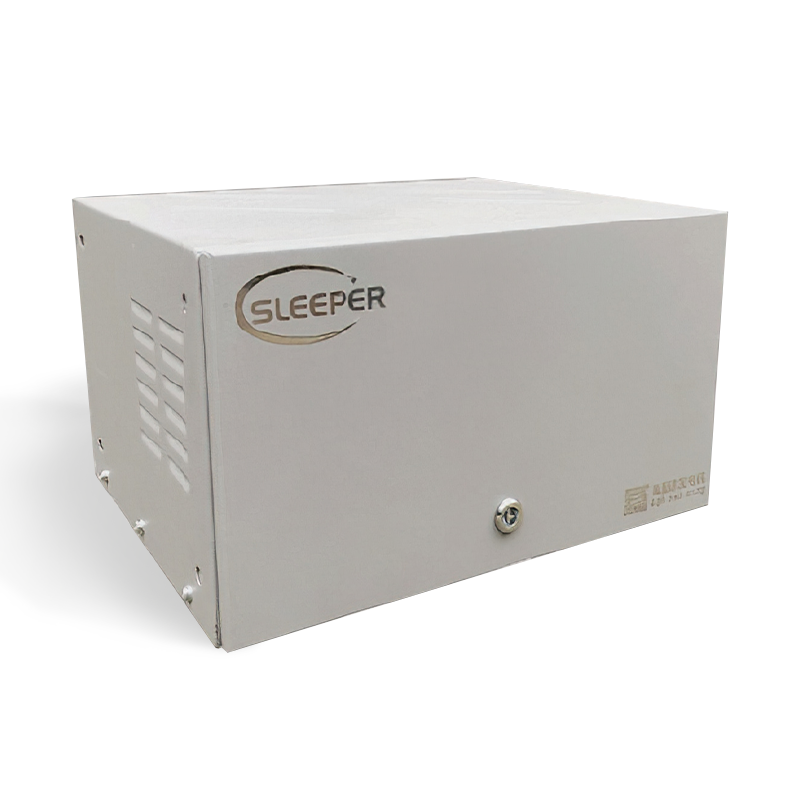
Mar 22,2024
The fuel efficiency of vehicle variable frequency gasoline generators is a topic of great concern because fuel efficiency directly affects its practicality and economy in vehicles. When explaining the fuel efficiency of an vehicle inverter gasoline generator, multiple factors need to be considered, including engine design, load characteristics, operating modes, and usage environment. The following is a detailed discussion of the fuel efficiency of vehicle variable frequency gasoline generators: Internal combustion engine efficiency: The fuel efficiency of a vehicle variable frequency gasoline generator first depends on the design and performance of its internal combustion engine. Generally speaking, the efficiency of an internal combustion engine is affected by many factors, including fuel combustion efficiency, engine emission control technology, cooling system efficiency, etc. Modern gasoline engines generally have high combustion efficiency and low emission levels, which contributes to the overall fuel efficiency of vehicle inverter gasoline generators. Load characteristics: The fuel efficiency of vehicle variable frequency gasoline generators is also affected by load characteristics. Under different load conditions, the operating status and fuel consumption of the internal combustion engine may be different. For example, when the load is low, the internal combustion engine usually runs at a low speed and the fuel consumption is relatively low; while when the load increases, the internal combustion engine may need to run at a higher speed, thereby increasing fuel consumption. Operating mode: Automobile variable frequency gasoline generators usually have multiple operating modes, such as constant speed operation, intelligent adjustment, and load tracking. In different operating modes, the operating status and fuel consumption of the internal combustion engine may be different. Intelligent adjustment mode can dynamically adjust the generator's output according to actual load demand to maximize fuel utilization. envirnmental factor: Environmental factors also have an impact on the fuel efficiency of vehicle inverter gasoline generators. For example, factors such as temperature, altitude, humidity, etc. may affect the working efficiency and fuel consumption of the internal combustion engine. In high temperature or high altitude environments, internal combustion engines may need to consume more fuel to maintain stable operation. System Optimization: Manufacturers often perform system optimization on vehicle inverter gasoline generators to improve their fuel efficiency. This may include adopting advanced fuel injection technology, optimizing the matching of internal combustion engines and generators, improving cooling systems and other measures to reduce fuel consumption and improve overall efficiency.
View more +
Mar 15,2024
Vehicle inverter diesel generators have made important contributions to energy conservation and emission reduction, which are mainly reflected in the following aspects: Efficient energy conversion: The vehicle inverter diesel generator adopts advanced power generation technology to efficiently convert diesel fuel into electrical energy. By optimizing the internal combustion process and generator design, the energy conversion efficiency is improved and energy waste is reduced, thus achieving the goal of energy saving. Intelligent frequency conversion regulation: The vehicle inverter diesel generator is equipped with an advanced electronic control system, which can realize intelligent frequency conversion regulation. This means that the generator can automatically adjust the output power according to the actual load demand, avoiding unnecessary waste of energy. Compared with traditional constant speed generators, variable frequency regulation allows the generator to operate more efficiently, thereby reducing energy consumption. Reduce air pollution emissions: Vehicle inverter diesel generator use advanced combustion control technology and emission control devices to effectively reduce harmful gas emissions in the exhaust, including nitrogen oxides (NOx), particulate matter (PM) and hydrocarbons ( HC) etc. These technologies include high-pressure injection, exhaust gas recirculation (EGR) and particle traps, which can reduce the generation of pollutants, protect the environment and improve air quality. Reduce greenhouse gas emissions: By improving energy conversion efficiency and reducing fuel consumption, vehicle variable frequency diesel generators can also reduce greenhouse gas emissions, such as carbon dioxide (CO2). This is of great significance for combating climate change and reducing carbon emissions. Especially in the field of transportation, reducing greenhouse gas emissions is crucial to achieving the goal of carbon neutrality, and the energy-saving and emission-reducing characteristics of vehicle inverter diesel generator can contribute to this. Promote sustainable development: The energy-saving and emission-reducing characteristics of vehicle inverter diesel generator help promote the realization of sustainable development goals. By reducing energy consumption and environmental pollution, it provides a more sustainable foundation for economic development. At the same time, it promotes the application and development of clean energy technology, promotes the transformation of energy structure, and helps build a green and low-carbon future. Vehicle inverter diesel generators play an important role in energy conservation and emission reduction by improving energy conversion efficiency, intelligent variable frequency regulation, and reducing emissions, making positive contributions to achieving sustainable development and environmental protection goals.
View more +
Mar 08,2024
The noise level of industrial silent vehicle inverter diesel generator is an important consideration, especially in industrial environments, where the noise level directly affects the comfort of the workplace and the health of employees. Excessive noise will not only cause environmental pollution, but may also damage people's hearing. Therefore, generators with silent designs are particularly important for industrial applications. Under normal circumstances, the noise level of industrial silent vehicle inverter diesel generator is relatively low, which is mainly due to its use of a series of silent technologies and design solutions. Here are some factors that affect noise levels: Sound insulation materials: Advanced sound insulation materials are used to wrap the generator to reduce the noise generated by the engine and machinery during operation. Shock-absorbing design: Using an effective shock-absorbing design can reduce vibration transmission, thereby reducing noise generation. Engine design: Optimized engine design can reduce noise and vibration during operation. Exhaust system: A good exhaust system can effectively reduce exhaust noise. Heat dissipation design: An efficient heat dissipation system can reduce the temperature of the engine during operation and reduce noise. Due to the application of these technologies, industrial silent vehicle inverter diesel generators are usually able to operate at relatively low noise levels. Specific noise levels will be affected by factors such as generator model, power size, workload, and environmental conditions. Although the industrial silent vehicle inverter diesel generator has been designed to reduce the noise level as much as possible, in actual applications, it still needs to be evaluated and managed according to specific circumstances. For example, in particularly noise-sensitive work environments, additional soundproofing measures or the selection of generator models with lower noise levels may be required. Industrial silent vehicle inverter diesel generators can effectively reduce noise levels and improve the comfort of the working environment by adopting silent technology and design solutions, while meeting the needs of industrial applications for stable and reliable power supply.
View more +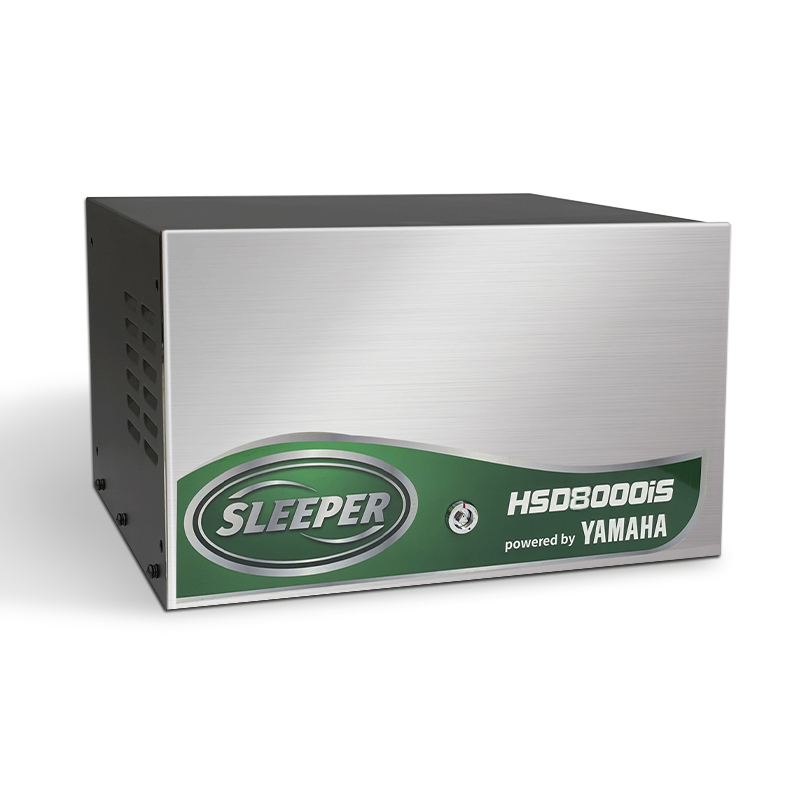
Mar 02,2024
Vehicle inverter gasoline generators have become increasingly popular for outdoor enthusiasts, campers, and RV owners due to their versatility and convenience. One common concern among users, particularly those relying on sensitive electronic devices, is whether these generators are safe for such equipment. The answer is generally yes, vehicle inverter gasoline generators are safe for sensitive electronics, and here's why.Unlike conventional generators, which produce electricity directly from the engine through an alternator, inverter generators utilize advanced electronics to produce clean and stable power output. This process involves converting the raw AC power produced by the generator into DC power and then back into AC power using sophisticated circuitry. The result is a smooth and stable electrical output that closely resembles the power provided by utility grids.The quality of power produced by inverter generators is often described as a "pure sine wave." This waveform is identical to the smooth, undistorted power supplied by electrical outlets in homes and offices. Sensitive electronic devices, such as laptops, smartphones, cameras, and medical equipment, are designed to operate optimally with this type of clean and stable power. Unlike the "modified sine wave" output produced by conventional generators, which can cause issues such as overheating, noise interference, and malfunctions in sensitive electronics, the pure sine wave output of inverter generators ensures smooth and reliable operation.Moreover, vehicle inverter gasoline generators are equipped with various built-in features designed to protect sensitive electronics. One such feature is automatic voltage regulation (AVR), which maintains a constant voltage output regardless of fluctuations in the load. This helps prevent voltage spikes and fluctuations that could potentially damage sensitive electronic devices. Additionally, many inverter generators are equipped with overload protection and low oil shutdown features, which automatically shut off the generator if it becomes overloaded or runs low on oil, thereby preventing damage to both the generator and connected devices.While vehicle inverter gasoline generators are generally safe for sensitive electronics, it's essential to use them correctly to avoid potential risks. One common mistake is overloading the generator beyond its rated capacity. Each generator has a maximum power output, expressed in watts, which should not be exceeded. Exceeding this limit can lead to voltage fluctuations, overheating, and damage to both the generator and connected devices. Therefore, it's crucial to check the power requirements of your electronic devices and ensure that the total load does not exceed the generator's capacity.Additionally, using surge protectors and voltage regulators can provide added protection for sensitive electronics when using a generator. Surge protectors help safeguard devices against voltage spikes and surges, while voltage regulators ensure that the voltage supplied to connected devices remains within safe limits. These additional precautions can help mitigate the risk of damage to sensitive electronics and provide peace of mind when using a generator.
View more +
Feb 23,2024
The layout of marine generators is usually compact and light-weight. This is due to the fact marine generators want to operate efficaciously in restricted spaces and resist the vibrations and affects generated by way of the ship at some point of navigation. Therefore, the design of marine generators desires to don't forget those elements to ensure their stable operation over a protracted time frame.In order to gain compact and light-weight design, marine generators generally use high-overall performance substances and advanced production approaches. For instance, they are able to use light-weight substances including aluminum alloy or high-energy steel, as well as especially treated floor coatings to decorate their corrosion resistance and put on resistance. In addition, marine generators additionally want to be ready with efficient warmness dissipation systems to ensure that they do now not overheat beneath high-intensity operating conditions.In precis, the layout of marine generators needs to comprehensively consider multiple elements which include area, weight, durability, preservation, and reliability to make sure that they are able to meet the desires of deliver operation.
View more +
Feb 17,2024
Yes, marine generators want to stand corrosion from seawater at some stage in long-time period use. Seawater is a complex electrolyte that contains various salts, dissolved gases, and microorganisms, which have a strong corrosive impact on metal materials. During the operation of marine generators, their metallic surfaces will come into contact with seawater, making them vulnerable to electrochemical reactions and corrosion.Corrosion not only reduces the carrier existence of marine generators, however additionally affects their everyday operation and reliability. Corrosion on metallic surfaces can motive harm to components, quick circuits in circuits, overheating of equipment, and in intense cases, may additionally even cause malfunctions and protection injuries in deliver energy structures.Therefore, a good way to make certain the reliability and lifespan of marine generators, powerful anti-corrosion measures want to be taken. This consists of selecting corrosion-resistant materials and coatings, normal cleaning and preservation, and adopting suitable anti-corrosion designs and procedures. At the equal time, it is also important to bolster the tracking and renovation of system, well timed locate and repair corrosion troubles, and make sure the secure operation of marine generators.
View more +
Feb 10,2024
Yes, marine generators are typically equipped with a water-cooling machine. The water cooling machine is used to cool the temperature within the generator to ensure its ordinary operation and increase its carrier lifestyles. The machine sends cooling water to the internal of the generator thru a water pump for cooling, after which makes use of a heat exchanger to discharge the heat outdoor the ship. During sea journey, the water cooling system needs to frequently clean impurities and test the water stage to make sure its ordinary operation and warmth dissipation impact. In addition to water cooling structures, marine generators can also be prepared with different auxiliary structures, which includes gas systems, lubricating oil systems, intake and exhaust structures, to make sure their normal operation and reliability.
View more +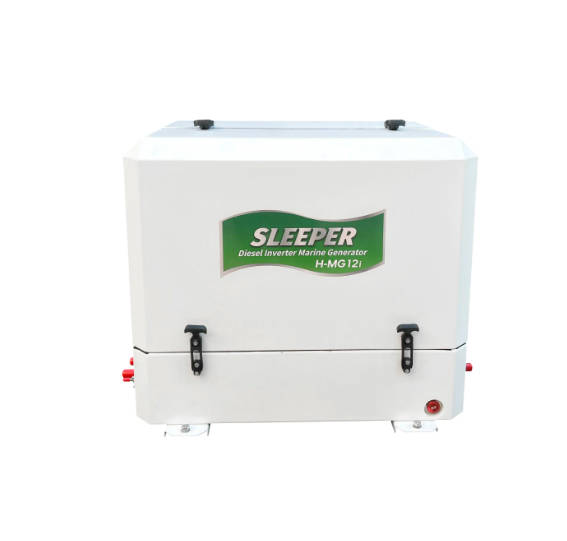

No.5 Hengpeng Road, Henghe Town, Cixi, Zhejiang, China, 315318
+86-13857499911
+86-574-63265576
vincent@sleeper-generator.com


Copyright © Cixi Sleeper Generator Co.,Ltd. All rights reserved.
 Wholesale Commercial Mobile Generators Manufactures